
‘You cannot be what you cannot see’. Without visibility or access to a wide range of career roles, young people can struggle to discover their aspirations and identities. Career success also relies heavily on cultural capital, yet many lack access to career experiences due to financial barriers and systemic inequalities in the education system.
As someone from a working-class background who left school without direction and who stumbled into the arts by chance, these challenges feel deeply personal. While I recognise some working-class people do find success, and others take diverse routes into the industry, barriers remain.
That’s what fuels my passion to improve visibility, access and opportunity for all young people, regardless of background or connections, to get a foot in the door.
Meeting the demand for growing skills shortages
The workforce and economic landscape are changing at an unprecedented pace. To support the development of sustainable communities of the future, we must invest in creative career education and guidance. As highlighted in Skills England’s report, there are growing skill shortages across the creative industries.
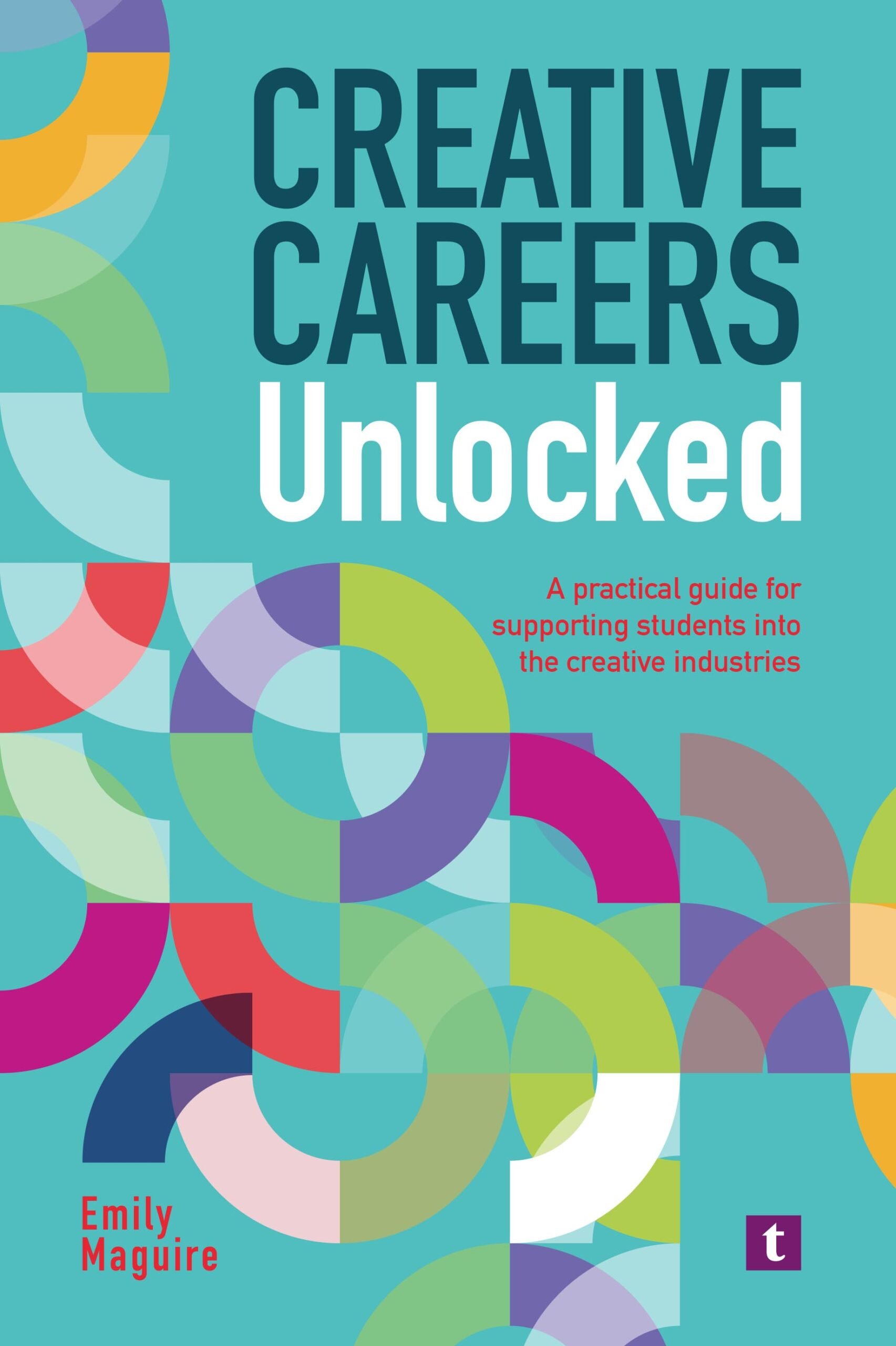
My book Creative Careers Unlocked responds to that challenge by providing the tools and resources needed to support an education and training structure that more adequately prepares young people for careers in the creative sector.
The book aims to help bridge the gap between education and the creative industries, by offering career professionals, educators and students career insights, practical tools and actionable strategies to embed creative careers into the curriculum. It also provides guidance on how to use these to meet the Gatsby Benchmarks by strengthening the connection between the classroom and the workplace.
A practical resource for widening participation
The book’s key features include:
- Blending theory and real life: The book combines educational theory with case studies, offering real-world, actionable insights from both academic and industry perspectives.
- Practical resource: An actionable toolkit, with ready-to-use templates and strategies, the book is ideal for educators and career professionals aiming to integrate the creative industries into the curriculum and support meeting the Gatsby Benchmarks.
- Education and the creative world: It connects education and the rapidly evolving creative career landscape, addressing diversity, inclusion and equality, alongside current and future workforce needs.
It also explores the diverse routes and pathways into creative work and offers practical solutions to widen participation to help ensure that all young people, regardless of their background, have the opportunity and access to explore a creative career role, and should they wish, become part of the creative workforce.
Redefining creative success
Creative Careers Unlocked invites readers to rethink how we define and approach creative success. Creativity is not just about a job title, but about how integrating the creative industries into education cultivates a more resilient and adaptable workforce.
The governmental Freelance Champion role gives me hope with its aims to advocate for freelancers in the creative sector and address systemic barriers and to drive lasting change. It aims to ensure freelancers are no longer overlooked and to secure a fairer and more inclusive future for the current and future creative workforce.
A workforce equipped with future-proof skills such as adaptability, lifelong learning, innovative thinking, emotional empathy, communication and interdisciplinary collaborative working that enable young people to thrive wherever their creativity takes them.
Creativity, imagination, and artistic skills have the power to drive more innovative and holistic solutions that help solve challenges across sectors such as healthcare, science and technology. The creative industries are national and regional economic drivers, but only when accessible to all.
The future of creative careers
Educational equity has the power to advance social mobility by ensuring everyone receives what they need to achieve their full academic potential. At school, I had neither access to the arts nor to career advice.
While Creative Careers Unlocked does not claim to have all the answers, it offers practical, real-world insights to empower and inform educators, young people, and policymakers who want to embed creative careers into the curriculum in meaningful and sustainable ways.
Careers are a lifelong journey, and while I have no regrets and would not change the path that I have taken, I do feel it is vital to give young people the opportunity to experience a range of creative career options, so that they can make informed choices about their future.
As AI continues to reshape the workforce, it becomes ever more important that we help young people recognise creativity not only as a niche but as a powerful, transferable resource that can fuel and advance even non-creative fields.
The creative industries are among the fastest-growing sectors, and as highlighted in the PEC’s February 2025 report, the sector continues to face skills mismatches, gaps, underutilisation and barriers to training.
If we want a workforce that reflects the diversity of our communities, we need to start early and nurture young people while they are still at school and college. We must ensure that everyone, regardless of their background, has the chance to explore a range of careers and to decide if a creative career path is the right choice for them.
Creative Careers Unlocked: A practical guide for supporting students into the creative industries will be published by Trotman Publishing in November.